
Key Takeaways
- Wait at least 1-2 hours after a composite filling before eating. Avoid hard or sticky foods during this time to ensure the filling is set properly.
- Composite fillings require time to bond, and eating too soon can damage the filling.
- Stick to soft foods after the procedure to avoid putting unnecessary pressure on your new filling.
- Monitor for sensitivity in the first few days, but contact your dentist if discomfort lasts longer than expected.
When you undergo a dental procedure, especially one involving a composite filling, it’s natural to ask, “How long should I wait to eat after a composite filling?” While getting back to your routine is important, following the right precautions helps protect your new filling and plays a key role in composite filling longevity.
At SR Dental Care, we understand the need to balance comfort with long-term oral health. In this blog, we’ll outline how long you should wait before eating after a composite filling, along with practical aftercare advice to support healing and maintain composite filling longevity for years to come.
By knowing what to expect after treatment, you can minimise the risk of complications and achieve the best possible results. Whether you’ve recently had a composite filling at our dental clinic in Dalkeith, Scotland, or are preparing for one, this guide will help you navigate the post-treatment phase with confidence.
Why the Wait Matters: The Importance of Proper Curing
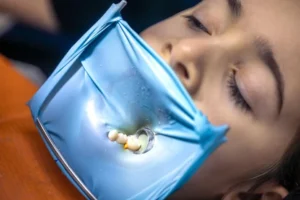
Composite fillings are made from a tooth-colored resin that is bonded directly to your tooth. Unlike traditional pre-formed fillings, composite fillings require a curing process to harden and secure the material within the cavity.
During the procedure, the composite material is typically cured using a special light. While the filling hardens quickly, it still takes time to fully settle and bond with the tooth. Eating too soon after treatment can cause the filling to shift, crack, or become compromised. Following proper aftercare following composite treatment is essential to ensure the longevity and effectiveness of your new filling.
How Long to Wait to Eat After Composite Filling?
The general recommendation is to wait at least 1-2 hours after your composite filling procedure before eating. Here’s why:
- During the first hour: After your filling is placed, your dentist may advise you to avoid eating and drinking while the material continues to harden. Your filling will be initially cured during the procedure, but it’s not fully set right away.
- After 1-2 hours: Once this initial period passes, it should be safe to eat, though it’s essential to stick to soft foods. Avoid anything hard, sticky, or chewy that could disrupt the integrity of your newly placed filling.
What to Eat and Avoid After a Composite Filling?
Knowing what to eat and what to avoid after your composite filling is just as important as knowing when to eat. Here’s a helpful breakdown:
What to Eat:
- Soft foods: Think of mashed potatoes, soups, yogurt, and scrambled eggs. These foods are gentle on your teeth and won’t disturb the filling.
- Cool or lukewarm drinks: Avoid hot beverages like coffee or tea right after your procedure to prevent sensitivity or damage.
- Blended foods: Smoothies or fruit juices (without seeds) are also great options, as they are gentle on your fillings.
What to Avoid:
- Hard foods: Avoid chewing on hard foods like nuts, ice, or hard candy, as they could damage the filling.
- Sticky foods: Sticky foods, such as caramel or chewing gum, can pull at the filling and cause it to dislodge.
- Crunchy foods: Chips or crusty bread can be abrasive on the freshly placed filling and may cause irritation or cracks.
Why You Should Be Careful After Composite Fillings
Although the waiting period after a composite filling may seem brief, it’s important to follow proper guidelines to ensure your filling sets correctly. Eating too soon or consuming hard or sticky foods can damage the filling or even cause it to become loose. Following recommended care helps the filling bond securely with your tooth, supporting its strength and durability for years to come.
It’s also common for your tooth to be sensitive to temperature and pressure immediately after the procedure. This sensitivity usually eases within a few days, but being cautious while eating can help minimize discomfort and support healing after dental fillings.
How Long Does the Sensitivity Last?
After a composite filling, it’s normal to experience some temporary tooth sensitivity. This may last from a few hours to a few days and can cause mild discomfort when eating hot or cold foods or biting down. These symptoms are a typical part of the healing process and usually resolve on their own with proper aftercare following a filling.
If the sensitivity persists beyond a few days or becomes more pronounced, it’s important to contact your dentist in Dalkeith, Scotland. A professional check ensures there are no issues with the filling or the underlying tooth and helps guide you on protecting your filling for a smooth and effective recovery.
Additional Aftercare Tips for Composite Fillings
To ensure the longevity and effectiveness of your composite filling, here are some additional aftercare tips:
- Avoid Teeth Grinding: If you grind your teeth, especially at night, it can put pressure on the composite filling, causing it to wear down more quickly. Consider wearing a nightguard if teeth grinding is a concern.
- Keep Regular Dental Check-Ups: Routine dental visits are essential to monitor the condition of your fillings. Your dentist will assess whether the composite material is still intact and if there are any signs of wear.
- Practice Good Oral Hygiene: Brushing and flossing regularly around your composite filling ensures it stays clean and free from plaque buildup, reducing the risk of further decay or damage.
- Limit Staining Foods: Although composite fillings are resistant to stains, it’s best to avoid food and drinks like coffee, tea, or red wine immediately after the procedure to maintain the filling’s appearance.
Conclusion
After receiving a composite filling, it’s essential to give your filling the time it needs to set properly. Waiting 1-2 hours before eating is a simple but crucial step in ensuring the long-term success of your filling. By following aftercare guidelines and maintaining good oral hygiene, you can keep your fillings in excellent condition for years to come. If you have any concerns or questions, don’t hesitate to reach out to your dentist in Dalkeith, Scotland, to ensure the best care for your dental needs.
SR Dental Care, located just 5 miles from the heart of Edinburgh, offers comprehensive dental services, including composite fillings, to help you maintain a healthy, beautiful smile